


.png)

menu

Snow mold is a lawn disease caused by a fungus that thrives in cool, wet conditions underneath heavy snow build up.
Grey snow mold appears as white or tan patches of dead, matted, crusted grass, which can expand to several feet in diameter.
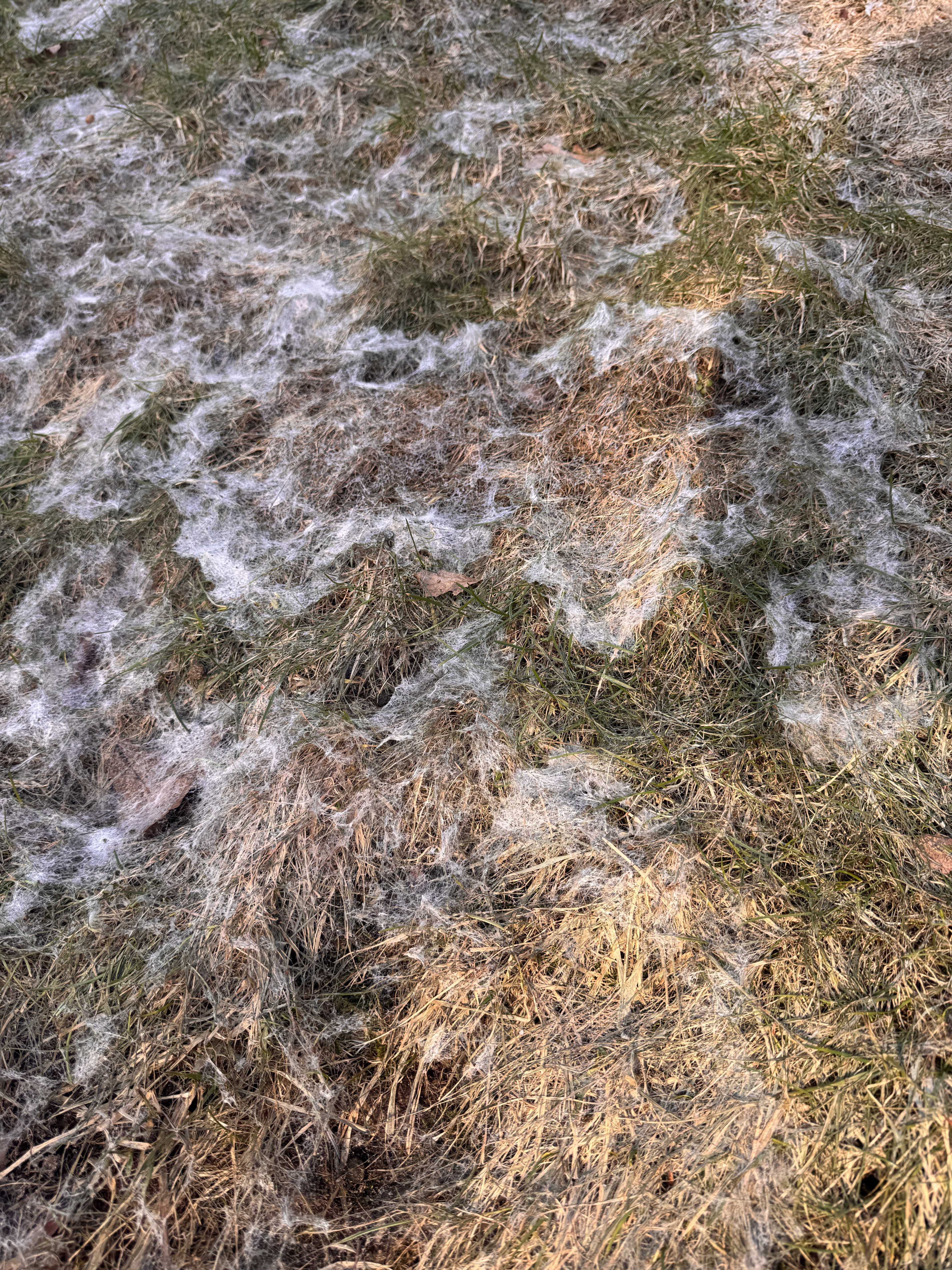
While it’s not a serious lawn disease, it can be unsightly. Luckily it will dissipate on its own as things warm up.
You can speed up the process by lightly raking out the affected grass areas once the ground has thawed. Raking areas when things are still frozen can cause permanent damage to the grass so it is important to be patient.
Fertilizing the lawn in the early Spring will help it recover from Winter dormancy quicker and grow out unsightly areas affected by the snow mold.
Spring seeding will also help fill in bare spots left behind after the damaged areas are raked out.
A good way to help prevent snow mold from occurring in the first place is to avoid piling snow up too high in any specific area. Instead, spread it out if possible. This will encourage faster melting and leave the fungus less time to take hold on your lawn.
For more information about snow mold please check out the article from Penn State Extension!
https://extension.psu.edu/turfgrass-diseases-gray-snow-mold-causal-fungus-typhula-incarnata


